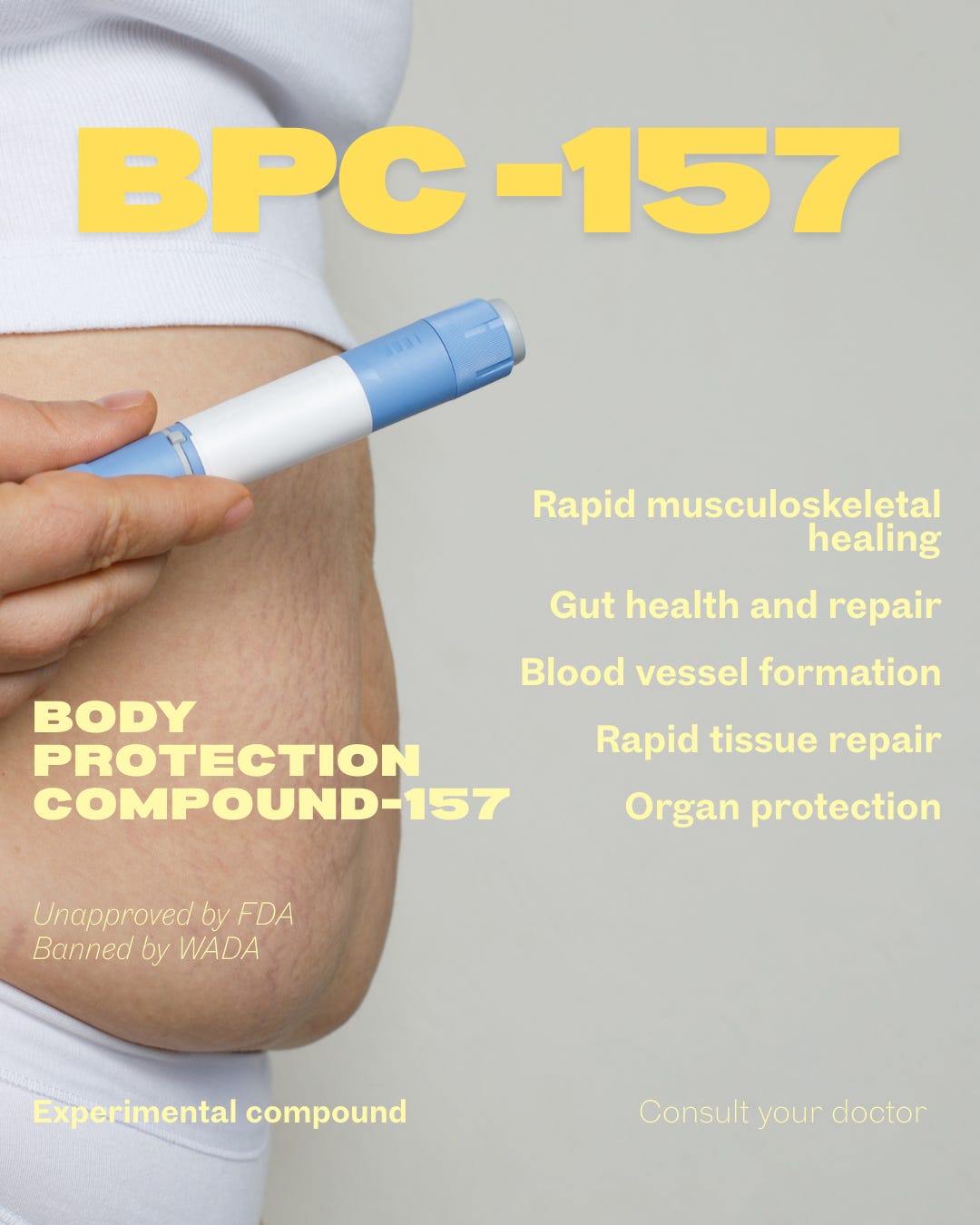
In a review published last year, Sikiric and his colleagues describe BPC-157 as a drug like no other: In animal models, it counteracts symptoms akin to those of Parkinsons, Alzheimers, and schizophrenia
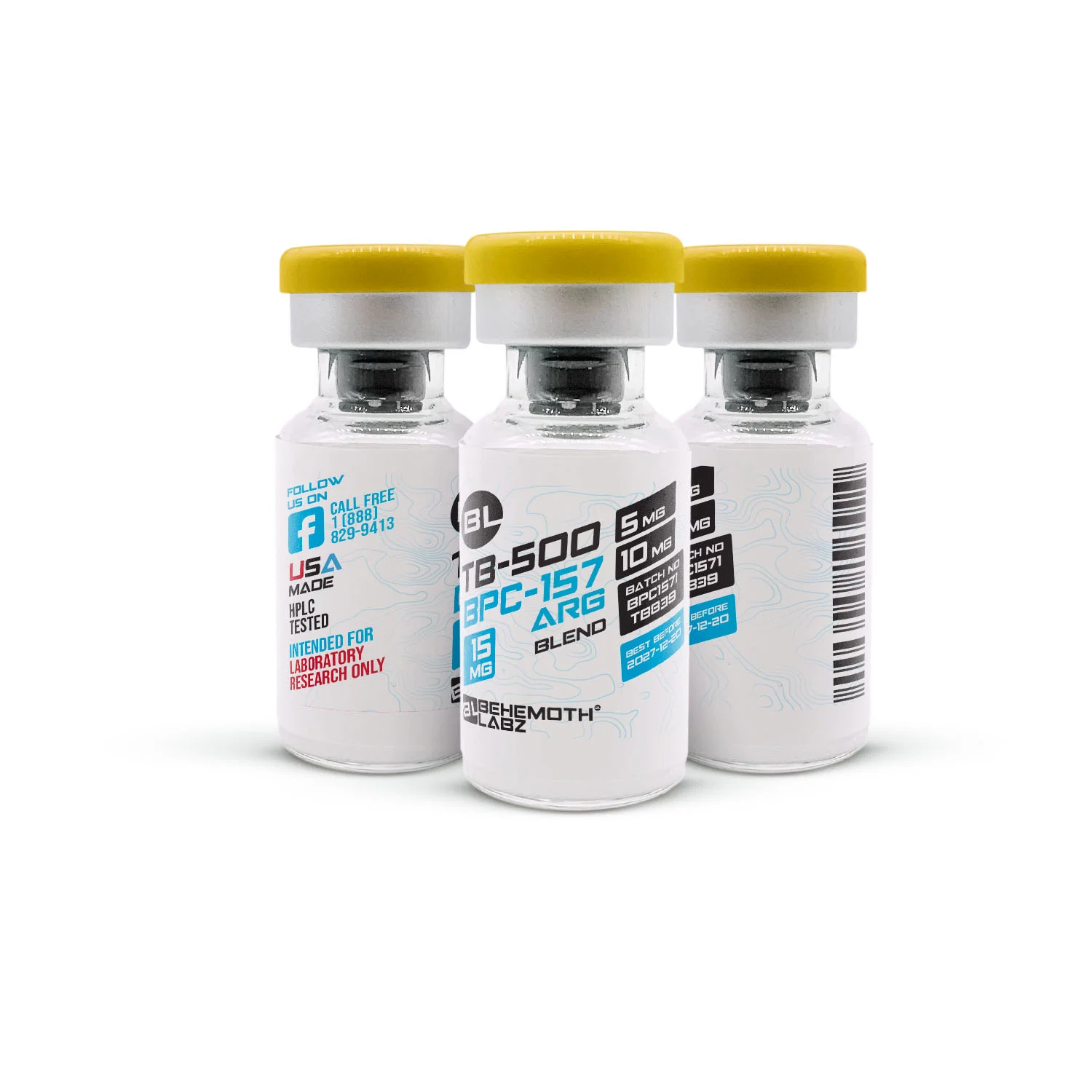
Injectable BPC-157: Safety Considerations Medical Supervision and Sterile Technique Injectable BPC-157 requires medical oversight because injections involve sterility, product quality, route of administration, and injection-site safety

BPC-157 has a molecular weight of approximately 1,419 Da on the larger end for nasal mucosal absorption which may constrain bioavailability compared to smaller peptides like Semax (which weighs 604 Da and is specifically designed for nasal delivery).8 Who nasal delivery may be relevant for (research context): Neurological or brain-adjacent applications Patients for whom injection is contraindicated Situations requiring rapid onset with non-invasive administration Research protocols studying nose-to-brain peptide pathways What to be realistic about: No peer-reviewed human trials on intranasal BPC-157 exist as of 2026 Nasal absorption of BPC-157 is less predictable than for smaller peptides Dosing standardisation for nasal BPC-157 is not established Consult a licensed provider before considering this route Peptide Delivery Method Comparison Table How to Choose the Right BPC-157 Delivery Method for Your Goal Matching the delivery method to the clinical goal is the single most important decision in BPC-157 therapy

After an initial loading phase of six injections over two weeks (or more frequently if neurological symptoms are present), maintenance injections are given every two to three months for life to prevent deficiency recurrence



![PORQUE EU USO L-CARNITINA [BENEFÍCIOS E COMO USAR]](https://i.ytimg.com/vi/mryV4CiV9_E/maxresdefault.jpg)