In our model the computed value of GSH transport out of the cell (Table 4) is V cGSHb = 1152 and the rates of Cys, Gly, and Glut import are also high (Table 4), although we assume that 10% per hour of the amino acids in the blood are lost to non-liver cells and an additional 25% of Cys is lost by conversion to cystine
This mechanism involves: Inhibition of pro-apoptotic signaling cascades Enhanced cellular energy metabolism Modulation of GSK-3beta activity affecting tau phosphorylation Support of mitochondrial function Anti-Excitotoxicity and Oxidative Stress Reduction Studies have documented protective effects against glutamate-mediated excitotoxicity and oxidative damage[5]: Reduction of calcium overload in neurons Enhancement of antioxidant enzyme activity Inhibition of free radical formation Protection against mitochondrial dysfunction Neuroinflammation Modulation Research demonstrates effects on neuroinflammatory processes relevant to both acute injury and chronic neurodegeneration[6]: Reduced microglial activation in injury models Modulation of pro-inflammatory cytokine production (TNF-alpha, IL-6) Enhanced anti-inflammatory signaling Decreased astrogliosis in traumatic brain injury models Key Mechanistic Insight: Cerebrolysins multimodal mechanism distinguishes it from single-target neuroprotective agents, potentially providing broader therapeutic coverage

Study has demonstrated that GSDMD mediates the shift of tubular cells from apoptosis to pyroptosis in TLR4-regulated diabetic tubular damage, suggesting that GSDMD activation promotes the conversion from non-inflammatory apoptosis to inflammatory pyroptosis (227)
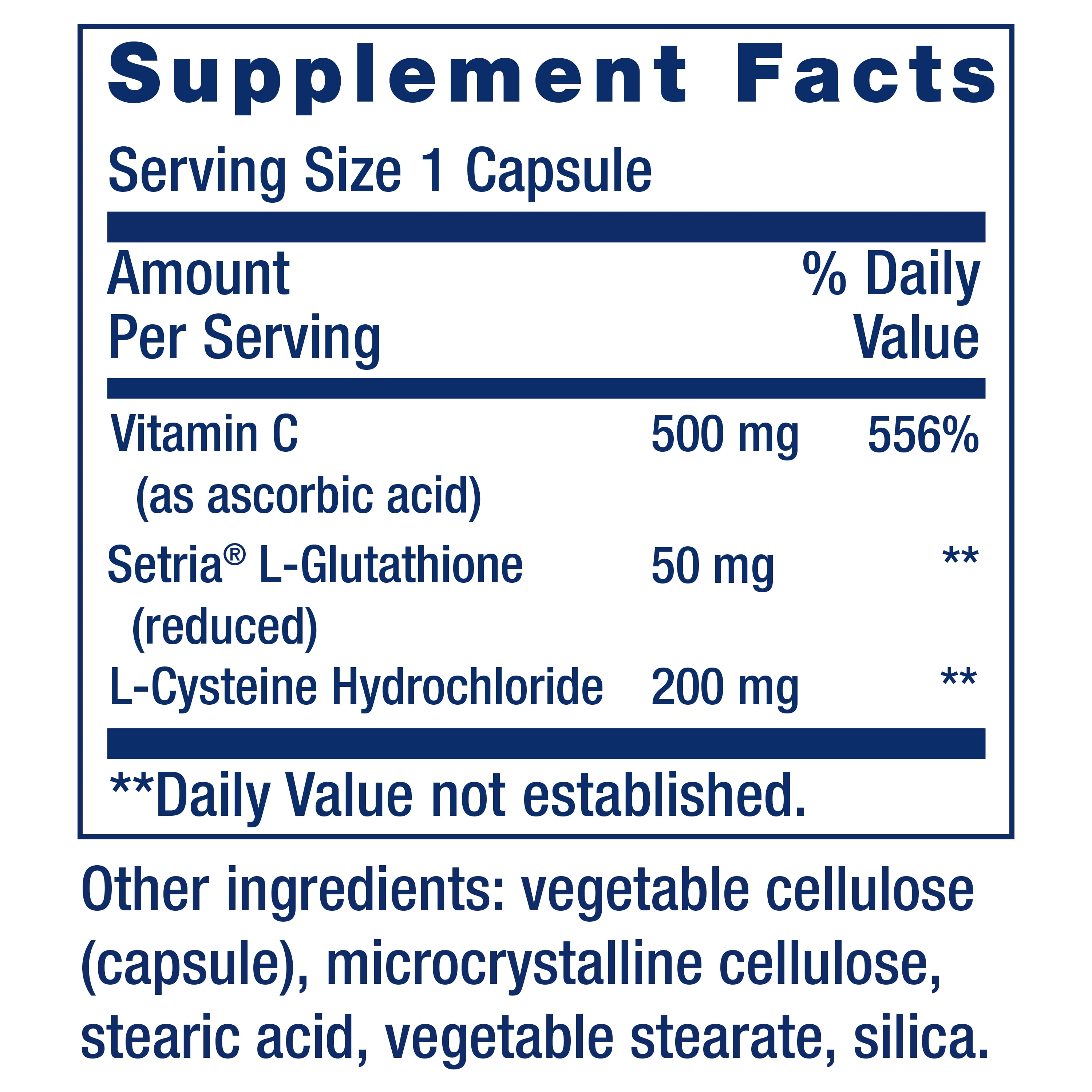
Glutathione trong sn phm c tinh ch t tinh khit cao 99,9%, gip tng cng hiu qu lm trng da, m nm, tn nhang, chng lo ha, tng cng ni tit t n