A classic deficit-creation combination less in, more out using two complementary natural mechanisms
The choice of route aims to balance effect size, convenience, and side-effect risk
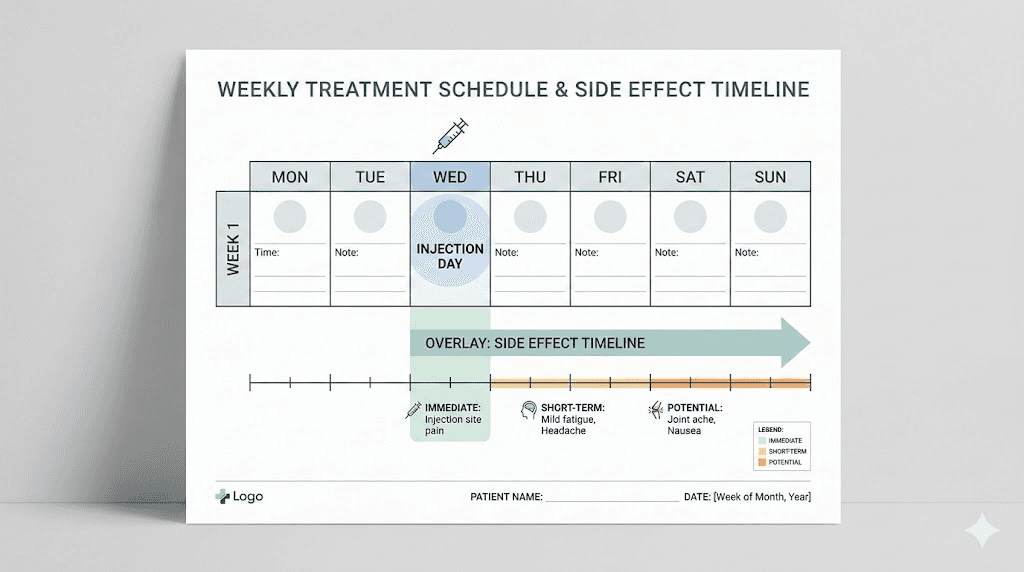
The following adverse effects were reported in patients receiving semaglutide injection or oral tablets across all clinical trials and at incidences higher than with placebo: nausea (11% to 44%), vomiting (5% to 24%), diarrhea (8.5% to 30%), abdominal pain (5.7% to 20%), abdominal distention (2% to 7%), constipation (3.1% to 24%), dyspepsia (0.6% to 9%), decreased appetite (6% to 9%), eructation (0.6% to 7%), flatulence (0.4% to 6%), gastroesophageal reflux disease (1.5% to 5%), gastroenteritis (4% to 6%), and gastritis (0.4% to 4%)
Months 5-6: Stabilization and Long-Term Planning The final phase of six-month protocols focuses on stabilizing benefits and planning for long-term maintenance