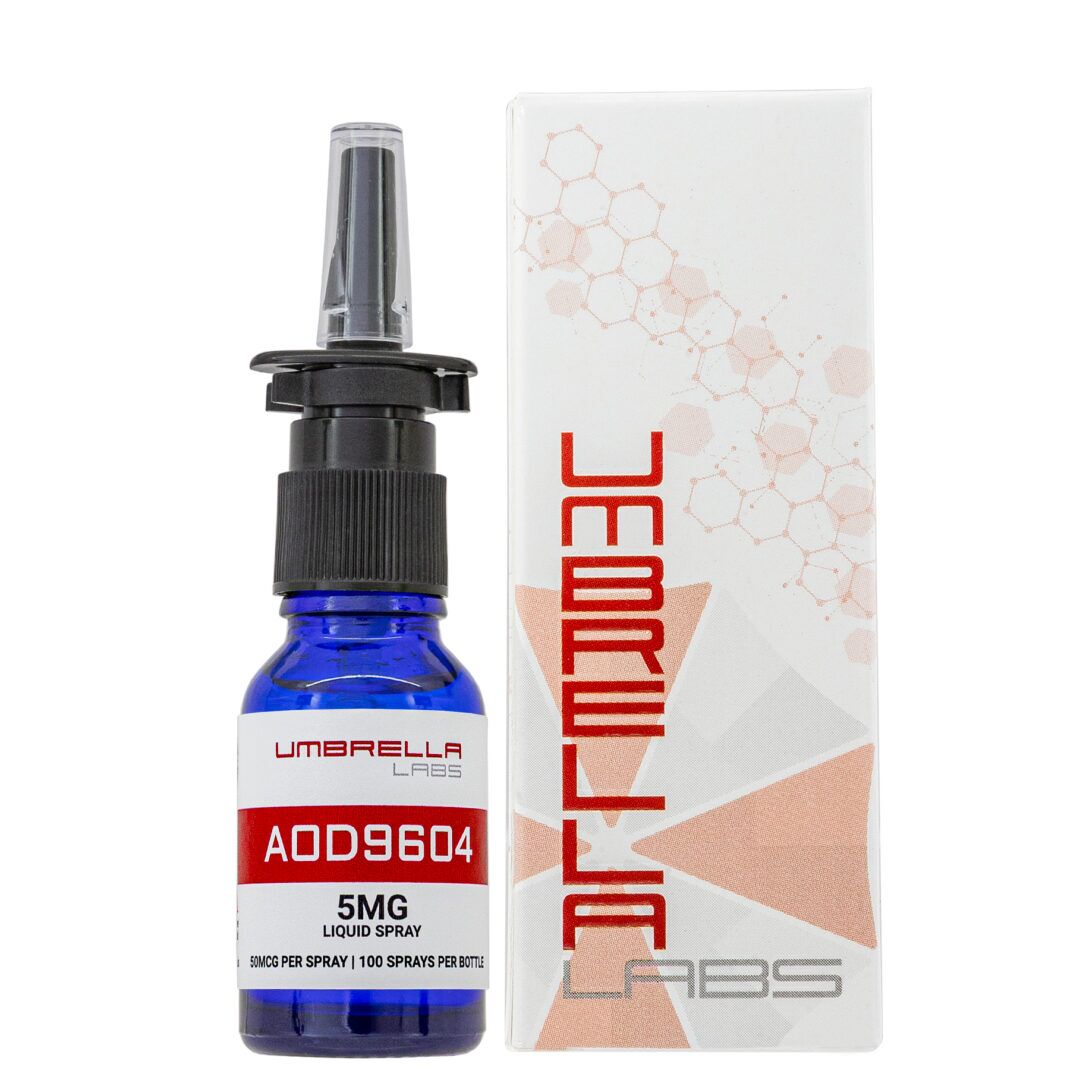
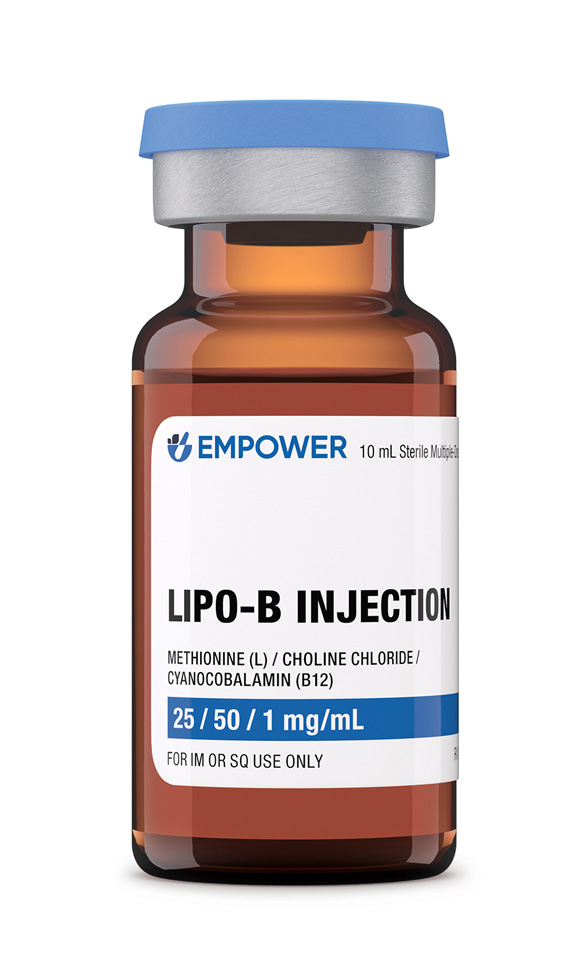
A bacteriostatic water vial can typically be used for up to 28 days after the first puncture, if stored properly
Side of the curve of \( f \) We calculate in the interval \( \bigl[a, b \bigr] = [-1,1] \): $$ g(\lambda) = f\bigl(\lambda a + (1- \lambda)b\bigr) $$ So, $$ g(\lambda) = (-\lambda + (1- \lambda))^2 = \lambda -2\lambda(1- \lambda) + (1- \lambda)^2 $$$$g(\lambda) = \lambda -2\lambda + 2\lambda ^2 + 1 -2\lambda + \lambda ^2$$$$ g(\lambda) =3\lambda^2 - 3\lambda+ 1 $$ Side of the rope between \( -1 \) and \( 1 \) We calculate in the interval \( \bigl[a, b \bigr] = [-1,1] \): $$ h(\lambda) = \lambda f(a) + (1 - \lambda)f(b) $$ So, $$ h(\lambda) = \lambda (-1)^2 + (1- \lambda) 1^2 = \lambda + 1 -\lambda $$$$ h(\lambda) = 1 $$ Comparison of \( g(\lambda) \) with \( h(\lambda)\) To determine the relative position of these two functions, let's take their difference
Personalized plans give you consistent access to the treatments that support long-term healthboosting energy, immunity, skin clarity, and recovery all year long
Every time you lift, push, pull, or reach, multiple structures must work in precise coordination