Preclinical Study Summary GHK-Cu has been investigated in skin biology research, wound healing models, hair follicle studies, and bone tissue research
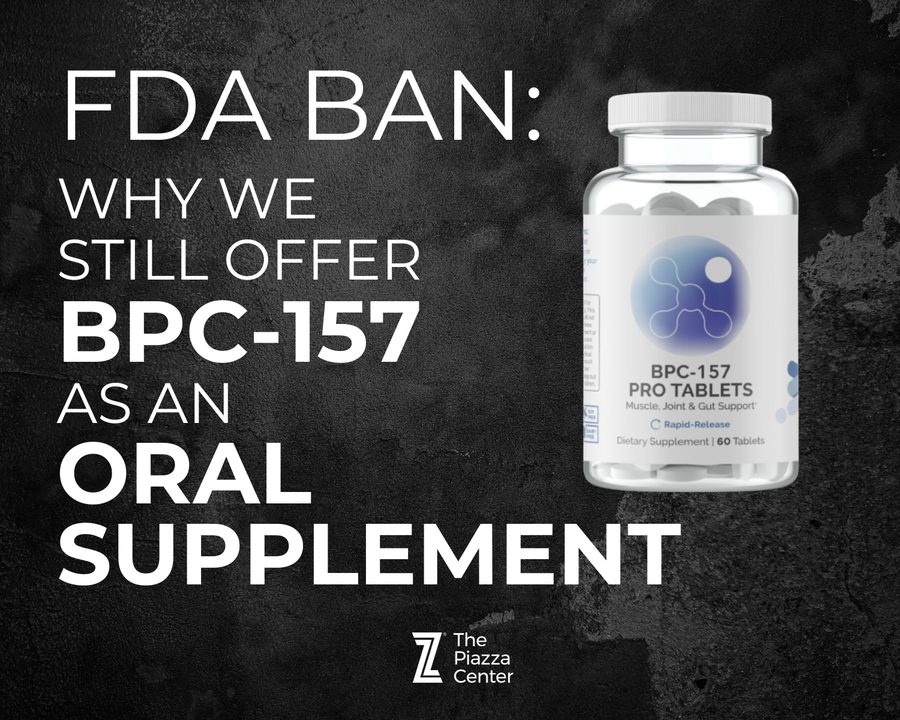
Manufacturing, Purity, and Safety Concerns Why manufacturing matters BPC-157 is made using a complex chemical process involving: Synthetic amino acids (Fmoc-protected amino acids) Polymer resins (Rink, Wang, or PAL resin) Aggressive solvents (DMF, DCM) Reactive coupling agents (HATU, HBTU, DIC, PyBOP) Strong acids (TFA) HPLC chemicals and stabilizers In pharmaceutical-grade production, these chemicals are removed to trace levels through validated purification steps and quality control testing
This is equivalent to 2,500mcg/mL
At 18 h after transfection, medium was replaced and cells were cultured for an additional 30 h prior to incubations