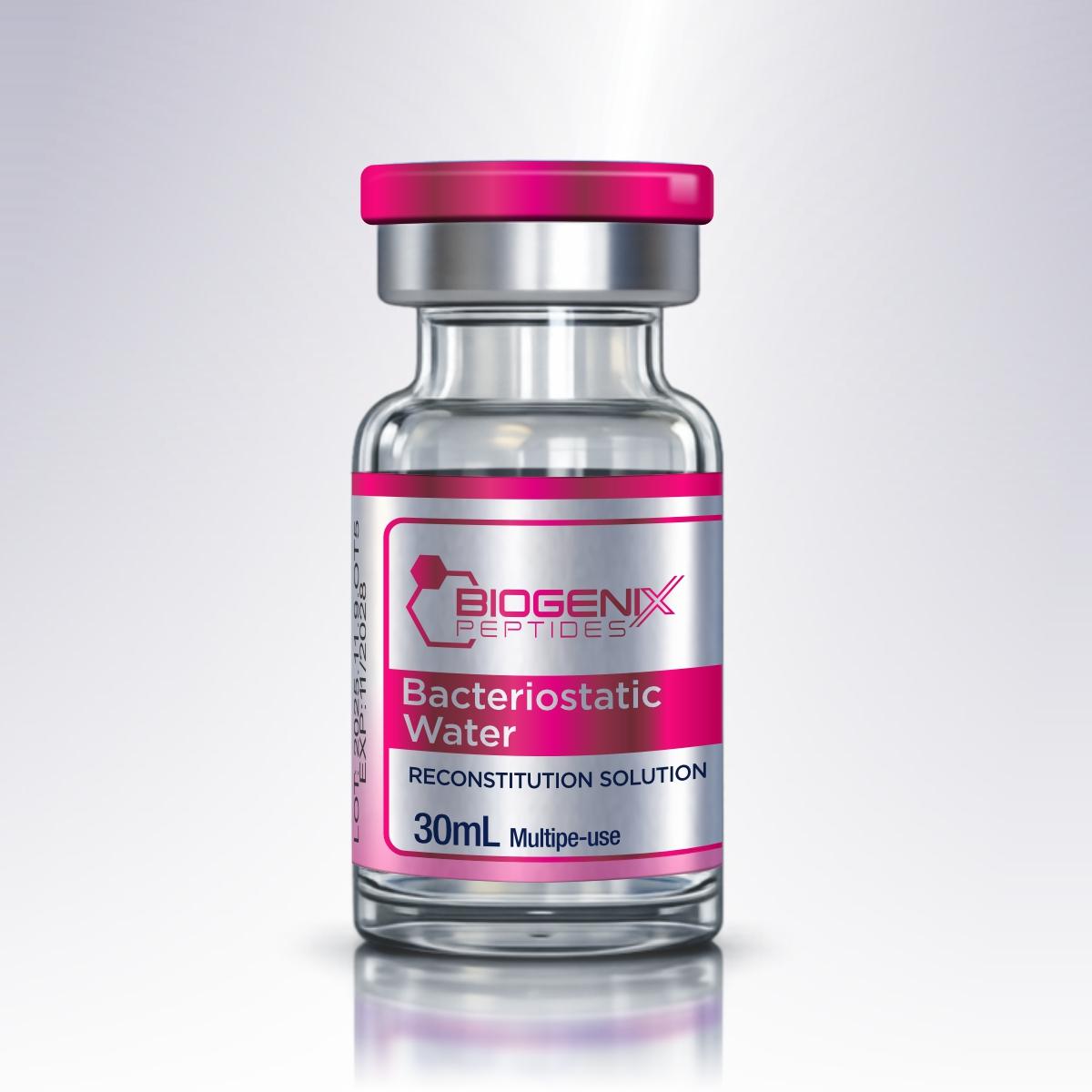
Reconstituted GHK-Cu shelf life: 21-28 days maximum Why reconstituted GHK-Cu shorter than most peptides: Most peptides: 28-30 days with bacteriostatic water GHK-Cu: 21-28 days recommended (more conservative) Copper oxidation concern in solution Visual degradation possible (color change) Shelf life by water type: Reconstituted storage requirements: Refrigerate 2-8C always Never freeze liquid GHK-Cu (destroys peptide) Protect from light (amber vial or box) Use within 21 days safest 28 days maximum Color monitoring for degradation: Fresh GHK-Cu: Clear to light blue Acceptable: Maintained light blue Concerning: Deepening blue or brown tint Bad: Brown, green, or black = degraded Visual inspection schedule: Reconstitution strategy: Don't reconstitute entire supply at once Calculate 21-day usage Reconstitute that amount only Keep excess frozen as powder Example reconstitution planning: Using 2mg 3x weekly = 6mg per week 21 days = 3 weeks = 18mg needed Reconstitute 20-25mg (one 25mg vial or half of 50mg) Keep remaining powder frozen Use our peptide reconstitution calculator and free peptide reconstitution calculator at SeekPeptides
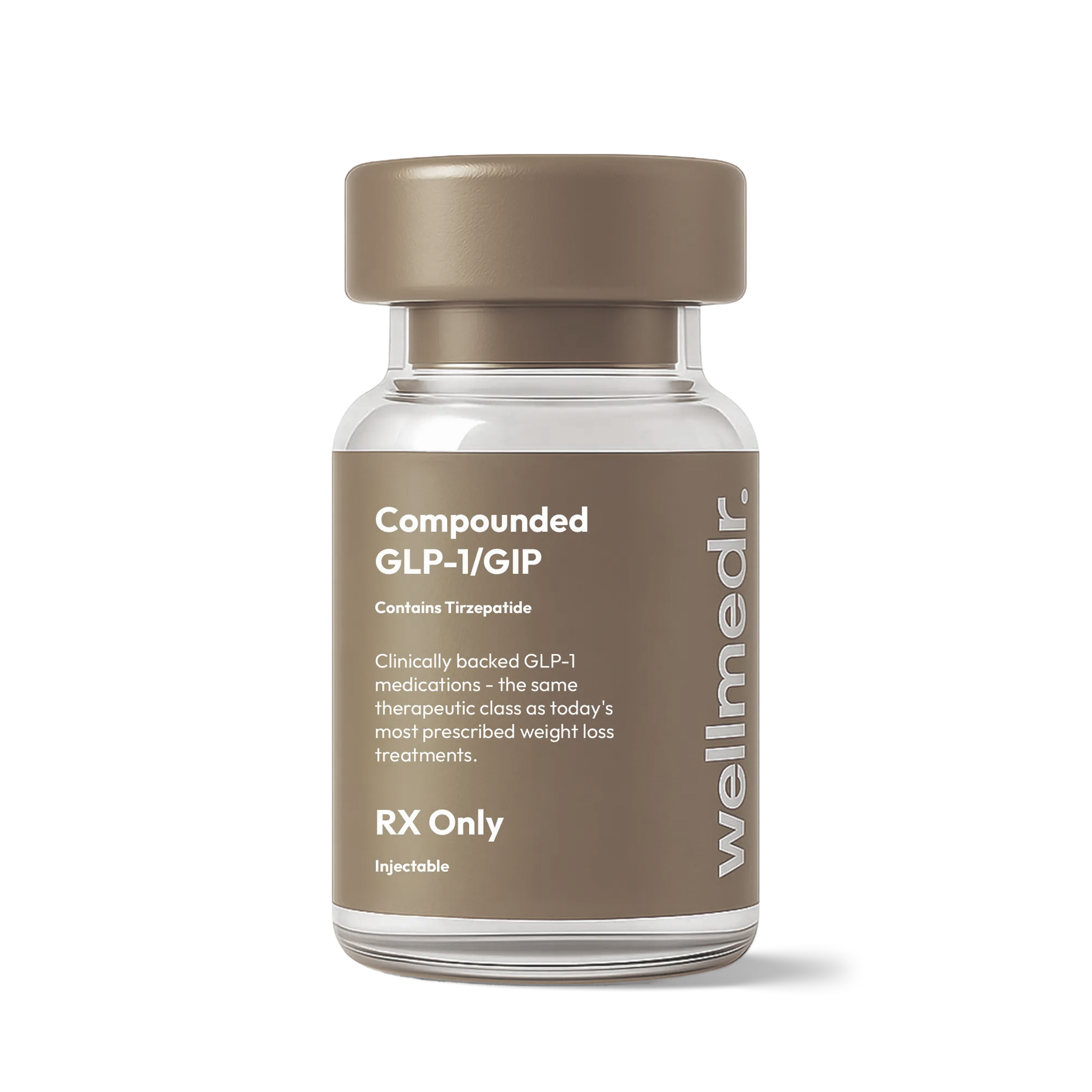
Whether you are calculating doses with the tirzepatide dosage calculator , exploring how fast tirzepatide works , reviewing before and after results , or managing side effects like constipation and fatigue , the resources are there to support every step of your journey
Lipo-Plus provides the lipotropic cofactors Methionine, Inositol, Choline, and L-Carnitine that directly support the liver's ability to process and transport fat, helping ensure that the caloric deficit created by your GLP-1 medication translates into actual fat loss rather than metabolic slowdown
Unless you have a true biotin deficiency which is uncommon but can occur with chronic alcohol use, pregnancy, certain gastrointestinal disorders, or long-term anticonvulsant therapy biotin supplements: Do not improve hair growth Do not prevent telogen effluvium Can falsely alter important lab tests (including thyroid & cardiac troponin levels) Multiple dermatology reviews and placebo-controlled trials show no benefit for biotin supplementation in people with normal biotin levels