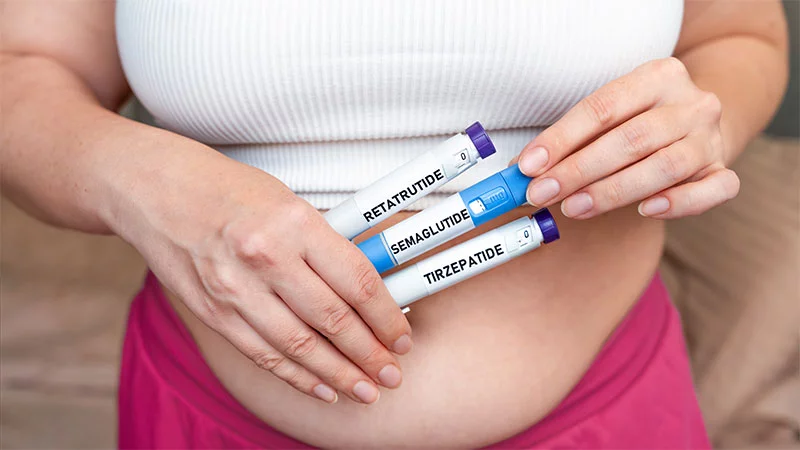
The most common side effects associated with GLP-1 agonists include appetite loss, nausea, vomiting, and diarrhea, which are often more pronounced when starting the medication or increasing the dosage (4)(10)(23)
Learn With My Friends and Me Other Reading The Inference Shift (Stratechery) Using Goals in Codex (OpenAI) Coming Up Short: Robert Reich Doesnt Know What an Effective Tax Rate Is (@amuse)

Key TakeawaysGLP-1 drugs might lower the risk of dangerous blood clots and death among people with autoimmune diseasesPeople taking GLP-1 drugs were 44% less likely to dieThey also had a lower risk of blood clots in their lungs or causing a stroke.WEDNESDAY, June 17, 2026 (HealthDay News) People with an autoimmune disease and obesity might lower their risk of dangerous blood clots and death by taking Ozempic or Zepbound, a new study says.Autoimmune diseases like celiac disease, vitiligo, psoriasis or rheumatoid arthritis increase the risk of severe heath emergencies because they cause inflammation and malfunctioning immune responses, researchers said.But GLP-1 medications might be able to counter that risk, researchers reported recently in the Journal of the American Heart Association.Overall, peoples risk of death was cut by nearly half if they were taking a GLP-1 drug, the study found.In this real-world analysis, we found a consistent signal toward fewer serious complications including blood clots and lower mortality among patients treated with GLP-1 receptor agonists, senior researcher Dr

Food and Drug Administration) GLP-1: The Foundation for Medical Weight Loss For many patients, GLP-1 therapy may be one of the most effective options for medically supported weight loss